
Our Services
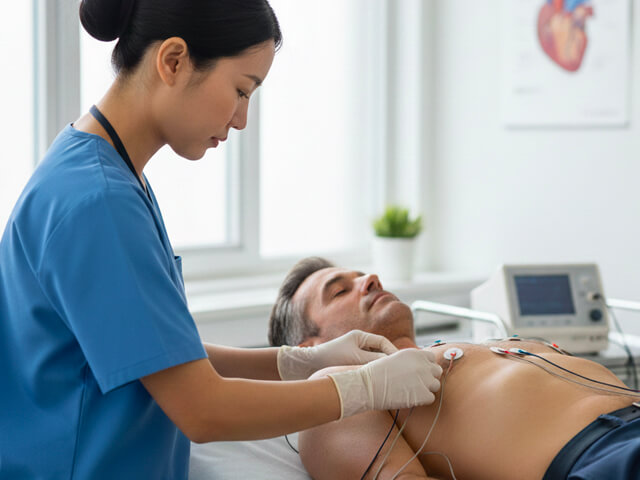
What is an ECG?
An electrocardiogram (ECG or EKG) is a test that checks for problems with the electrical activity of your heart. An ECG machine translates the heart’s electrical activity into line tracings on paper for a physician to review and interpret.
Time: approximately 15 minutes
Why do I need an ECG?
Your doctor might request an ECG to:
- Check the heart’s electrical activity.
- Determine the cause of unexplained chest pain such as: heart attack, inflammation of the heart or angina.
- Find the cause of your symptoms such as: chest pain, shortness of breath, dizziness, fainting or rapid irregular heartbeats (palpitations).
- Determine if the walls of the heart chambers are too thick (hypertrophied).
- Determine if you have had a heart attack in the past.
- Help predict if there are any blockages in your arteries.
- Monitor changes in your heart rhythm.
How do I prepare?
You can eat normally and take your medications, at their usual times, before the test. We recommend patients:
- Avoid caffeine 4 hours before the test including: tea, coffee, decaffeinated products, chocolate, soda pop or medications containing caffeine.
- Avoid smoking right before the test.
- Do not apply any lotions, creams or powders to the chest area prior to the appointment.
- Wear comfortable clothing. You will be asked to remove upper clothing and any jewelry then change into a hospital gown before the test.
What is a Blood Pressure Monitor?
24-hour ambulatory blood pressure monitoring (ABPM) uses a digital machine to take blood pressure readings, at regular intervals, throughout the day. The machine is small enough to be worn on a belt on your waist while the cuff stays on your upper arm.
Time: worn for a full 24 hours
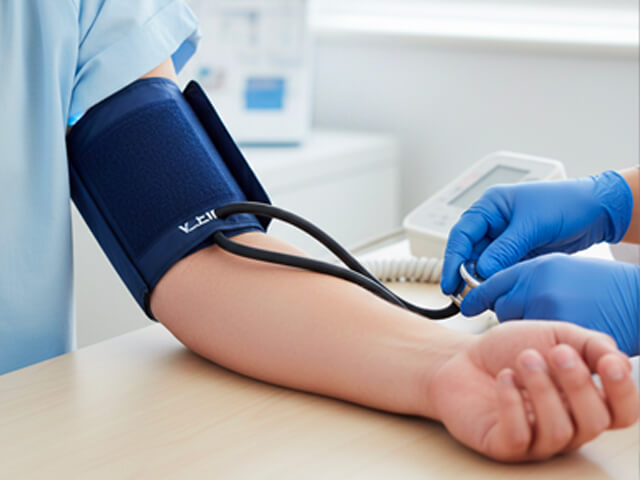
Why do I need a 24-hr blood pressure monitor?
Your doctor might request a blood pressure monitor to:
- Check if your blood pressure (BP) is normal, high or low throughout the day.
- Get a more accurate look at your BP readings. Readings done in the doctors office are often higher due to ‘white-coat syndrome’ (an anxiety-induced blood pressure spike).
- Assess the effectiveness of your current blood pressure medications.
How do I prepare?
You can eat normally and take your medications, at their usual times, before the test. We recommend patients:
- Wear comfortable clothing.
- Bathe or shower in the days (or hours) before your test. You cannot bathe, shower or swim during the 24 testing period.

What is a Holter Monitor
A Holter Monitor is a small wearable device that records the electrical activity of your heart, over a set period of time, to detect any abnormal heart rhythms.
Appointment: approximately 15 - 30 minutes
Time Worn: from 24 hours up to 7 days (varies)
Why do I need a holter monitor?
Your doctor might request a holter monitor to:
- Check for signs of irregular heart rhythms (arrhythmias)
- Evaluate your heart rhythm over a set period of time
- Determine the cause of unexplained fainting
- Evaluate a heart condition that increases the risk of arrhythmias
How do I prepare?
You can eat normally and take your medications, at their usual times, before the test. We recommend patients:
- Wear a loose, comfortable two-piece outfit.
- Do not apply any lotions, creams or powders to the chest area prior to the appointment.